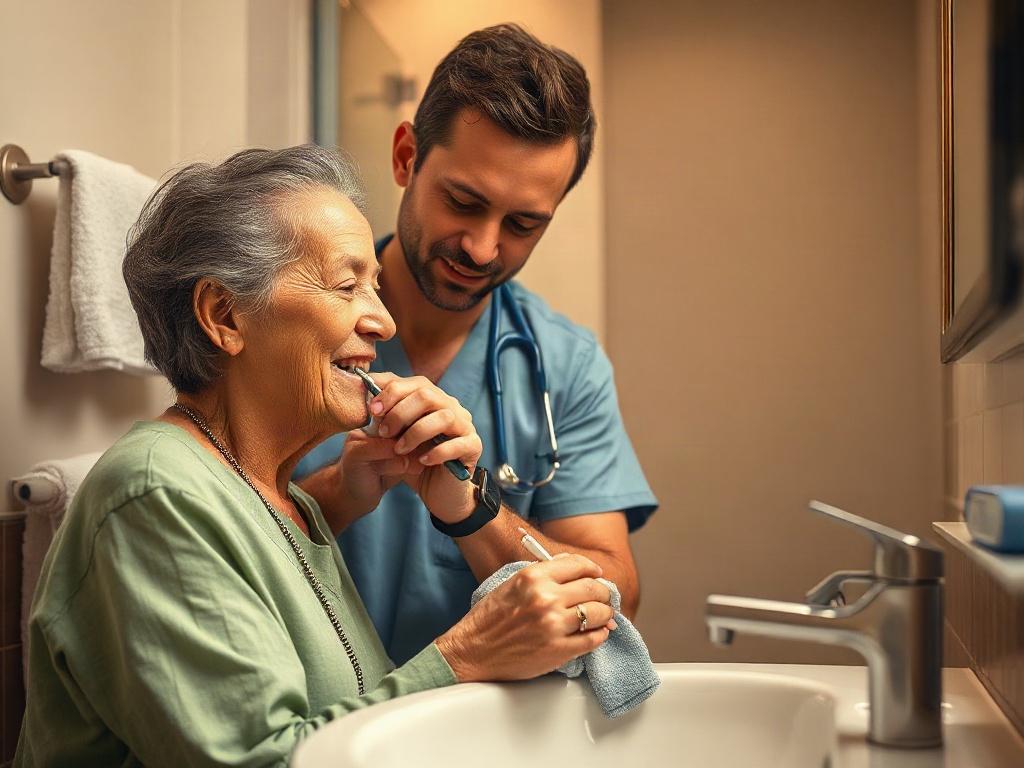
Distinguishing Unavoidable Physical Decline from Standard of Care Lapses
In long-term care litigation involving Activities of Daily Living (ADLs) and personal hygiene, the central clinical debate centers on causation: Did the resident experience unavoidable functional decline, or did gaps in daily nursing care contribute to deterioration?
Federal care standards elevate resident dignity and daily care into explicit, mandatory requirements under 42 CFR § 483.10(e) (F-Tag 550) and 42 CFR § 483.24 (F-Tag 677).
A neutral audit of ADL care plans and nursing documentation focuses on three key factors:
• Unavoidable vs. Preventable Decline: Did functional or hygiene decline stem directly from underlying disease progression, or does documentation reveal unaddressed care plan omissions?
• Hygiene & Secondary Complications: Did gaps in routine skin care or hygiene directly contribute to secondary clinical issues, such as skin maceration, fungal infections, or UTIs?
• Documentation & Resident Preference: Do shift records reflect consistent assistance tailored to resident care plan goals and personal dignity requirements?
Accurately differentiating between expected medical progression and preventable care lapses requires a meticulous review of flow sheets, care plans, and nurse progress notes. Expert Consulting Services, LLC delivers balanced, rigorous clinical expert consultation to support both defense and plaintiff attorneys.
Ensure your case evaluation is grounded in objective clinical facts. Explore our consultation services at www.expertconsultingservices.com.