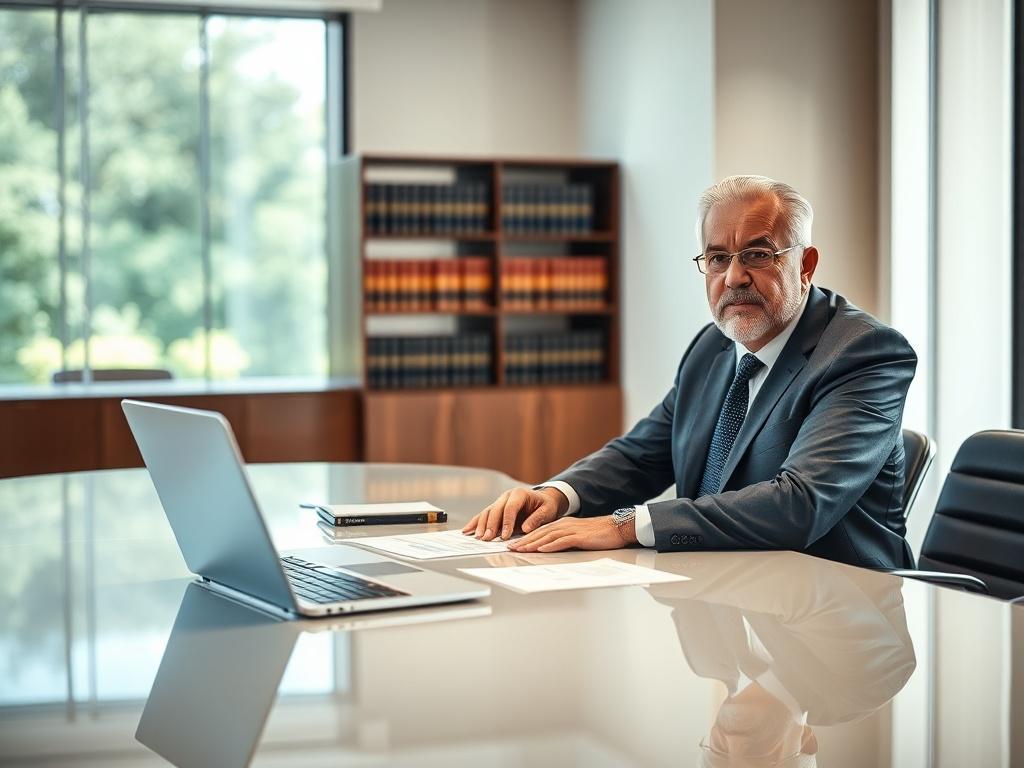
When a legal case involves highly technical information, judges and juries often need more than just the facts. They need someone who can explain those facts in a way that makes sense. That's where expert witnesses come in. Understanding what an expert witness is and how they function in court can help you see just how much rides on their testimony.
An expert witness is a person with specialized knowledge, training, or experience in a particular field who's called upon to offer their professional opinion in a legal proceeding. Unlike standard fact witnesses, who can only testify to what they personally saw or experienced, expert witnesses are permitted to conclude, offer opinions, and explain complex information within their area of expertise.
Courts qualify someone as an expert witness based on their credentials, which can include formal education, certifications, years of professional experience, published research, or any combination of those. The judge has the final say on whether someone qualifies as an expert in a given case.
It's worth being clear about how these two types of witnesses operate differently. A fact witness can only testify about direct observations. An expert witness, on the other hand, can review evidence they weren't present for and still provide a professional opinion based on that review.
For example, a bystander at a car accident might testify about what they saw. A forensic engineer, though, can examine the vehicle wreckage and provide an opinion on what caused the crash, even if they weren't at the scene.
Many legal disputes hinge on information that's well beyond everyday understanding. Medical malpractice, financial fraud, environmental contamination, and product liability cases all involve subject matter that most jurors simply don't encounter in daily life. Expert witnesses bridge that gap.
Their role is to take what's complicated and make it accessible, giving the judge or jury the foundation they need to make an informed decision. Without expert testimony in these cases, outcomes could hinge on misunderstandings or incomplete interpretations of evidence.
Expert witnesses show up across a wide range of industries and case types. The following examples illustrate how professionals in medicine, engineering, and finance bring their specialized knowledge into the courtroom to help resolve disputes that would otherwise be difficult for a judge or jury to navigate.
In medical malpractice cases, a physician or specialist is often called to testify about whether the standard of care was met. For instance, if a patient claims their surgeon made a preventable error during a procedure, a board-certified surgeon in the same specialty might review the records and explain to the jury what a reasonably competent surgeon would have done under the same circumstances.
Medical experts also appear in personal injury cases, helping establish the extent of injuries, the likelihood of long-term effects, and whether the injuries are consistent with the reported cause.
Engineering experts are frequently brought in during construction defect cases, product liability lawsuits, and accident reconstructions. If a bridge collapses or a building develops serious structural problems after construction, a licensed structural engineer might examine the design plans, materials, and site conditions to determine where the failure occurred.
In product liability cases, a mechanical or electrical engineer might analyze a defective product to determine whether it was designed or manufactured in a way that made it unreasonably dangerous.
Financial experts play a significant role in cases involving fraud, business disputes, divorce proceedings, and intellectual property damages. A forensic accountant, for example, might be brought in to trace money through a complex series of transactions to identify whether funds were misappropriated.
In shareholder disputes or breach-of-contract cases, financial analysts can calculate the economic damages a party suffered and explain their methodology to the court in straightforward terms.
Not every expert in a field makes a great expert witness. Courts and attorneys look for individuals who can do more than just demonstrate knowledge. Strong credentials matter, but so does the ability to communicate clearly and hold up under pressure. The best expert witnesses tend to share a few key qualities:
An expert who stumbles under questioning or can't communicate clearly may undermine an otherwise strong case, regardless of how impressive their credentials are.
The strength of your case can depend heavily on having the right voice explain the evidence. If you're working on a matter that requires specialized expertise, don't leave it to chance. Contact our team today to discuss your needs, and we'll help you identify the expert witness who can give your case the clarity and credibility it deserves.

